Planning a traditional wedding or customary ceremony in Kenya is about much more than choosing a venue and decorating it beautifully. It involves family, culture, protocol, hospitality, food, negotiation, timelines, suppliers and generations of expectations coming together on one important day.
For many families, the biggest challenge is not knowing what needs to happen. It is trying to coordinate everything simultaneously.
Who receives the visiting delegation? Who manages the programme? Who confirms catering numbers? Who ensures the traditional items are ready? Who talks to the decorator, tent supplier, photographer and caterer when something changes?
This is where professional traditional event planning services in Kenya can make a significant difference.
At Sue Cakes and Events, we understand that customary ceremonies require both professional event management and respect for family traditions. Our approach is to work closely with the couple, parents, elders and family representatives while managing the practical details behind the scenes.
We plan and coordinate weddings and traditional ceremonies from the first meeting to the final send-off, so you and your family can enjoy the day instead of chasing vendors.
What Are Traditional Event Planning Services in Kenya?
Traditional event planning services involve the professional organization and coordination of customary ceremonies, cultural celebrations and weddings while ensuring that the event follows the family’s preferred traditions and programme.
Unlike a conventional party, a traditional ceremony can involve several groups of guests, family representatives, elders, cultural requirements and formal stages.
Professional coordination can cover:
- Wedding planning and coordination
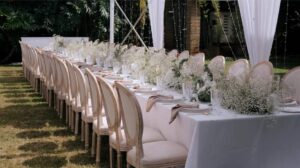
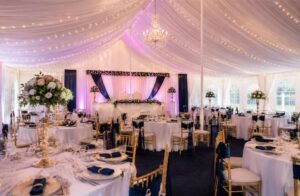
- Wedding décor and styling
- Ruracio, Nyombo, and Koito planning
- Wedding cakes
- Catering
- Tents, chairs, and stage setup
- Photography, videography, and livestreaming
The exact requirements depend on the community, family and ceremony. Our role is to help organize the practical side without treating culture as a generic event template.
Traditional Wedding Planning Requires More Than Décor
Beautiful décor is important, but décor alone does not make a traditional ceremony successful.
A well-managed customary event requires attention to several interconnected areas.
Family Coordination
Large traditional ceremonies can bring together immediate family, extended relatives, friends, elders and representatives from both sides.
Without a clear structure, responsibilities can easily become confused.
A professional planner can help establish:
- Who is responsible for each activity
- Who communicates with vendors
- Who welcomes guests
- Who coordinates the programme
- Who handles payments and balances
- Who liaises with family representatives
- Who manages changes on the event day
This allows family members to participate in the celebration rather than spending the entire day solving logistical problems.
Cultural Protocol
Every family has its own expectations regarding traditional ceremonies.
For example, a Kikuyu Ruracio, Kalenjin Koito, Nyombo ceremony or another customary celebration may have specific expectations around introductions, negotiations, family representation, gifts, food, dress and ceremonial proceedings.
A planner should therefore begin by asking questions rather than assuming that every ceremony follows the same format.
Ruracio Planning Services in Kenya
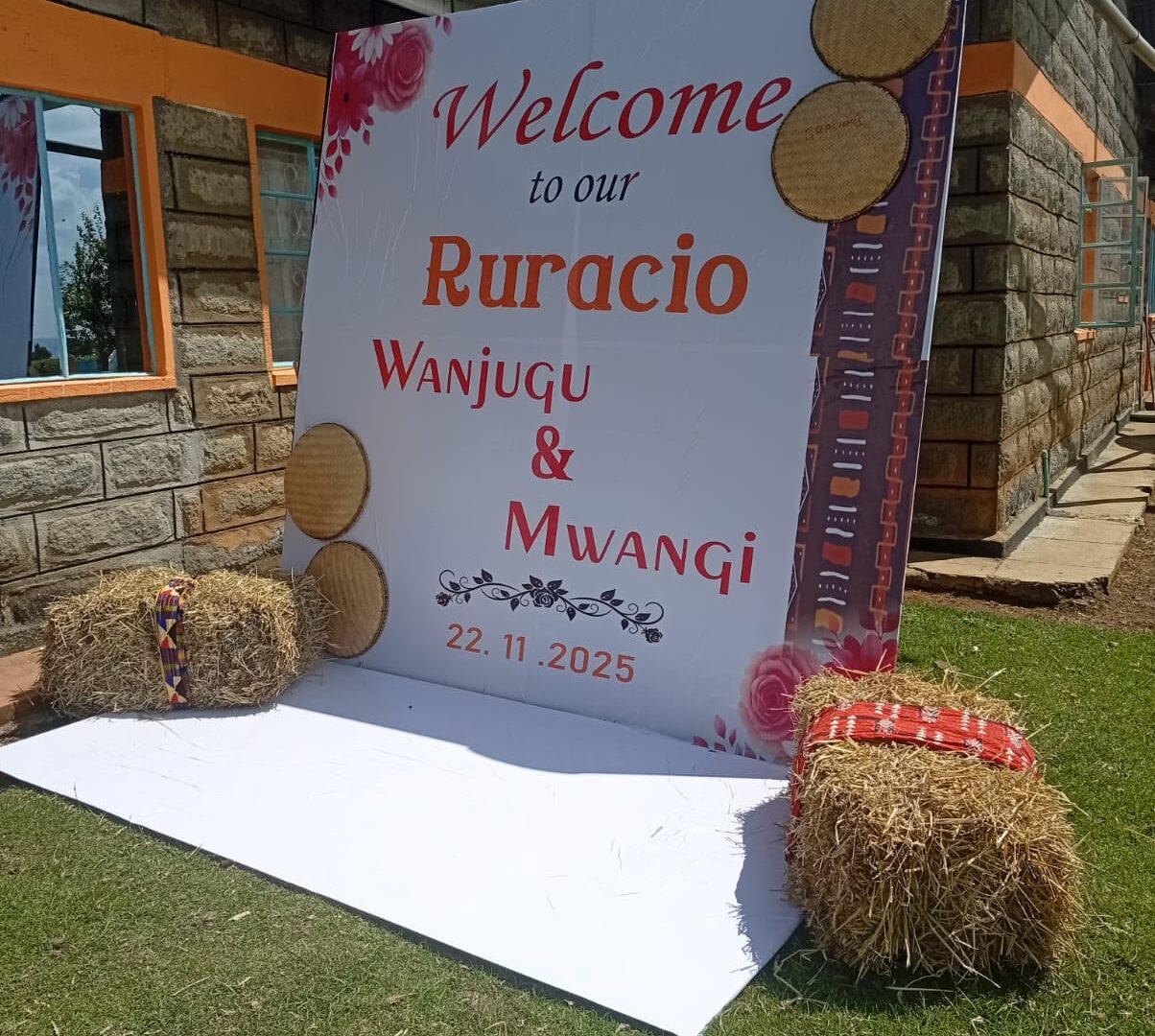
Ruracio is an important customary ceremony for many Kikuyu families and often brings together two families in a structured cultural celebration.
Planning a Ruracio can involve considerable coordination because the ceremony may combine cultural proceedings with a modern reception.
A Ruracio planning checklist may include:
- Family consultation and preparation meetings
- Guest and delegation management
- Venue selection
- Seating arrangements
- Tent requirements
- Catering and menu planning
- Décor and styling
- Traditional programme coordination
- Sound and stage requirements
- Cake arrangements
- Photography and videography
- Guest reception
- Programme timing
- Vendor coordination
The most important consideration is that the planner works according to the family’s agreed programme and cultural expectations.
Koito and Other Traditional Ceremonies
Traditional event planning in Kenya extends well beyond Ruracio.
Families may also require support for Koito, Nyombo, dowry ceremonies, introduction ceremonies, traditional weddings, engagement celebrations and other customary gatherings.
A Koito, for example, can involve large family delegations and formal proceedings requiring careful time management and communication.
The planner’s responsibility is not to replace the family’s cultural leadership. Instead, the planner provides the event-management structure that allows the family representatives and elders to concentrate on the ceremonial aspects.
Wedding Planners in Nakuru
For couples looking for wedding planners in Nakuru, working with a locally available event company can simplify coordination, particularly when the ceremony involves multiple suppliers.
Nakuru has a wide range of venues and event locations suitable for weddings, traditional ceremonies, corporate celebrations and private functions.
Depending on the event, planning may involve coordinating:
- Venue arrangements
- Tents and outdoor structures
- Chairs and tables
- Décor
- Catering
- Cake
- Entertainment
- Photography
- Videography
- Livestreaming
- Transport
- Guest reception
- Programme management
At Sue Cakes and Events, we can coordinate these elements as one event rather than leaving the family to manage separate suppliers independently.
Managing Large Family Delegations
One of the most underestimated challenges of traditional ceremonies is people management.
A visiting delegation may consist of parents, elders, relatives, friends and representatives who all have different roles.
A successful ceremony therefore benefits from a clearly communicated programme.
Practical delegation management includes:
- Confirming expected numbers early
- Understanding the roles of key family representatives
- Creating a clear event timeline
- Identifying the person responsible for each major activity
- Coordinating catering according to confirmed numbers
- Preparing seating arrangements
- Communicating important timings to the relevant people
- Having a designated event coordinator on the day
This structure is particularly valuable when families are travelling from different parts of Kenya.
Budget Control for Traditional Weddings
Traditional ceremonies can become expensive when decisions are made without a consolidated budget.
Small additions can accumulate quickly: additional chairs, extra food portions, transport, décor changes, more photography coverage or last-minute equipment.
A professional planner can help establish a realistic budget before commitments are made.
A practical event budget can include:
| Category | What to Consider |
|---|---|
| Venue | Hire charges, cleaning and venue requirements |
| Tents & seating | Tent size, chairs, tables and setup |
| Décor | Backdrop, flowers, table styling and entrance |
| Catering | Number of guests, menu and service staff |
| Cake | Size, design and delivery |
| Photography | Coverage duration and deliverables |
| Videography | Ceremony and reception coverage |
| Livestreaming | Online coverage for distant family |
| Entertainment | DJ, live music or cultural entertainment |
| Stage & sound | Stage, PA system and microphones |
| Logistics | Transport, delivery and setup |
| Contingency | Allowance for unexpected requirements |
The objective is not simply to spend less. Budget control means knowing where the money is going and avoiding unnecessary last-minute costs.
Wedding Décor and Traditional Styling
Traditional ceremonies can combine cultural elements with contemporary event styling.
Depending on the couple’s preferences, décor may incorporate:
- Cultural colours
- Floral arrangements
- Traditional fabrics
- Modern backdrops
- Table styling
- Entrance décor
- Stage décor
- Bridal table styling
- Family seating areas
- Lighting
The best approach is to create a setting that feels appropriate to the family rather than imposing a predetermined theme.
Catering for Traditional Ceremonies
Food is often one of the most important parts of a Kenyan family gathering.
Catering requires careful planning because guest numbers can change, especially when extended family and delegations are involved.
Important considerations include:
- Expected guest numbers
- Menu preferences
- Serving arrangements
- Dietary requirements
- Children and elderly guests
- Water and refreshments
- Buffet or plated service
- Catering equipment
- Food service timing
Good catering coordination also means ensuring food service does not interfere with important parts of the ceremony programme.
Tents, Chairs and Stage Setup
Outdoor ceremonies require practical infrastructure.
Depending on the venue and guest numbers, the setup may include:
- Event tents
- Chairs
- Tables
- Stage
- PA system
- Lighting
- Dance floor
- Backdrop
- Buffet area
- Registration or reception area
Weather should also be considered when planning an outdoor ceremony. Nakuru and other parts of Kenya can experience strong sunshine, wind, chilly evenings and unexpected rainfall.
The event setup should therefore prioritize guest comfort, accessibility and weather preparedness.
Wedding Cakes for Traditional and Modern Celebrations
The cake is another opportunity to connect the celebration with the couple’s personality.
Sue Cakes and Events can coordinate wedding cakes alongside other event requirements, helping clients avoid dealing with multiple suppliers.
Cake planning normally considers:
- Number of guests
- Cake size
- Flavour
- Design
- Colour scheme
- Number of tiers
- Cake table styling
- Delivery and setup
For traditional weddings, the cake design can also complement the wider décor and cultural theme.
Photography, Videography and Livestreaming
Important family ceremonies deserve to be properly documented.
Professional photography can capture the formal proceedings, family interactions, décor, guests and key moments.
Videography provides a longer record of the ceremony, while livestreaming allows relatives who cannot travel to participate remotely.
This can be especially useful when family members are living in different counties or outside Kenya.
What Makes a Good Traditional Event Planner?
When choosing among event companies, families should look beyond photographs of decorated venues.
A capable traditional event planner should demonstrate:
- Strong communication
- Vendor coordination skills
- Respect for cultural practices
- Budget management
- Timeline management
- Problem-solving ability
- Professional setup teams
- Clear quotations
- Reliable event-day coordination
- Flexibility when family requirements change
The planner should become the logistical point of coordination without taking control away from the family.
Why Families Choose Sue Cakes and Events
At Sue Cakes and Events, we understand that planning a wedding or customary ceremony is personal.
Our role is to reduce the pressure on the couple and their families by bringing the different event requirements together under coordinated management.
Our approach includes:
Planning:
We begin by understanding your ceremony, guest numbers, venue, cultural requirements, priorities and budget.
Coordination:
We coordinate suppliers and timelines so different parts of the event work together.
Setup:
Our team handles practical event infrastructure and styling according to the agreed plan.
Event-day management:
We remain focused on the programme and vendors so family members can concentrate on their guests and ceremony.
Integrated services:
From cakes and décor to tents, chairs, catering, photography, videography and livestreaming, we can coordinate multiple event requirements.
Choosing Event Companies in Nakuru
If you are comparing the best event companies in Nakuru, consider more than price.
Ask potential planners:
- Have you managed weddings or customary ceremonies before?
- Can you coordinate multiple vendors?
- Do you understand the type of ceremony we are planning?
- What exactly is included in the quotation?
- Who will be present on the event day?
- How do you handle last-minute changes?
- Can you provide tents, chairs and décor?
- Can you coordinate catering and cake?
- Can photography, videography and livestreaming be included?
- What are the payment and cancellation terms?
Clear answers to these questions can help families make an informed decision and avoid misunderstandings later.
A Stress-Free Journey From Planning to Send-Off
The purpose of professional event planning is not to make the ceremony feel corporate or impersonal.
It is to ensure that the people who matter most can actually participate in the celebration.
Instead of a bride worrying about whether the decorator has arrived, parents checking on catering, or family representatives looking for chairs, there should be a professional team handling the logistics.
That is the value of traditional event planning services in Kenya.
Plan Your Traditional Ceremony With Sue Cakes and Events
Whether you are planning a Kikuyu Ruracio, Kalenjin Koito, Nyombo ceremony, traditional wedding, modern wedding or another family celebration, Sue Cakes and Events can help coordinate the practical details from preparation to completion.
Based in Nakuru, we provide event planning and management services designed around your family, your ceremony and your priorities.
Our core services include:
- Wedding planning and coordination
- Wedding décor and styling
- Ruracio, Nyombo, and Koito planning
- Wedding cakes
- Catering
- Tents, chairs, and stage setup
- Photography, videography, and livestreaming
Planning a traditional ceremony in Nakuru or elsewhere in Kenya?
Contact Sue Cakes and Events to discuss your date, venue, guest numbers and requirements and request a quotation.
Call or WhatsApp: +254 768 811 899
Let our team handle the logistics while you and your family focus on the people, traditions and moments that make the celebration meaningful.